

By Manju Dawkins, MD, board certified dermatologist, co-founder of Thimble, and mom of 2.
I want to talk about something we don't address enough.
Needle fear in children.
Not the quick cry that's over before you leave the parking lot. I mean the real fear. The child who won't come inside. The appointment that gets rescheduled…twice. The mom who spends the whole drive over preparing herself as much as her kid.
I see this in my practice regularly. And what strikes me every time is how alone these families feel. Like they're the only ones dealing with it. Like something is wrong with their child- or with them for caring so much.
Neither is true.
I'm Dr. Manju Dawkins, dermatologist, mom of 2 and co-founder of Thimble. Needle fear affects the majority of people at some point in their lives. A 2022 global study published in PLOS One found that 63% of adults reported experiencing needle fear. In children, the numbers are just as striking. Research shows that more than half of children aged 6–17 report a fear of needles. For many, one difficult experience early in life sets something in motion that doesn't just go away. Their nervous system remembers and the panic response is therefore biological.
What we keep getting wrong.
We tell kids to be brave. We tell them it won't hurt. We tell them they have no choice.
I understand why. Our hearts are in the right place. We love our kids and we want them to get the care they need. But these responses put the burden back on the child. We break trust when the experience doesn't match what we promised. And we are disempowering them.
I've met many adults who still avoid blood draws because of something that happened when they were six. This is the consequence of unaddressed needle fear and we’ve got to do better for the next generation.
What I tell parents in my practice.
Give them information ahead of time. Be honest and simple. "You're getting a shot on Thursday. It will feel like a quick pinch. Then it's done." Predictability reduces fear more than almost anything else.
Give them a choice. Which arm. Watch or look away. Count together. Small decisions matter enormously when everything else feels out of their control.
Use distraction on purpose. Sing a song together, play a silly game, blow bubbles. Active distraction during a procedure genuinely reduces perceived pain. Not because it tricks them — because it gives their brain something else to do in that moment.
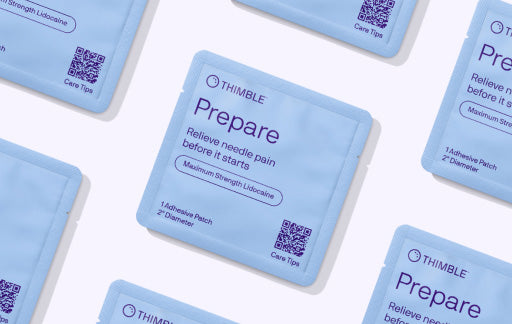
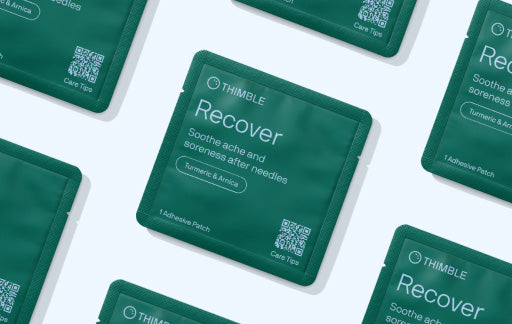
Address the physical sensation directly. This is where we‘ve historically let families down. We prepare kids emotionally but leave the physical part completely unaddressed. Numbing the skin before a procedure can change the entire experience. It's actually why I created Prepare, an over-the-counter topical numbing patch that takes effect in about an hour, no prescription needed. Less pain means less fear. And we can’t ignore what comes after: the site can stay sore and tender for days. Something gentle to soothe the soreness afterward matters too, which is why I also created Recover, a plant powered patch for after the procedure that lessens the tenderness and bruising. The whole experience matters.
Calm yourself. Your child is reading you constantly. Your calm is one of the most powerful tools you have walking into that room.
When it goes beyond typical anxiety.
If your child is having panic attacks before appointments, refusing medical care, or is still severely distressed long after a procedure, that's worth a real conversation with your pediatrician.
Psychologists, therapists, and child life specialists can help immensely. Cognitive behavioral therapy has strong evidence for needle phobia specifically. Gradual exposure approaches work. If you're looking for a structured place to start, Therapy Lab offers a needle phobia plan built around exactly this kind of support.
Most kids don't need that level of support, but for the ones who do it can change a life.
The goal isn't a fearless child.
I don't expect children to love getting shots.
What I want is for them to get through it with their sense of safety intact. To know that hard things end. That the adults around them told the truth. That their body was respected.
That's what a good needle experience can build. And it's absolutely worth working toward.
Questions parents ask me most.
Is it normal for my child to be scared of needles? Completely normal. Needle fear affects the majority of people at some point in their lives and is one of the most common fears in childhood. If your child dreads shots or blood draws, they are not unusual and neither are you for wanting to help them.
How do I calm my child down before a shot? The most effective things are preparation, choice, and distraction. Tell them ahead of time using honest simple language. Give them a small decision: which arm, whether to watch or look away. Bring something to focus on during the procedure. And if you want to address the physical pain directly, a topical numbing patch applied about an hour before can significantly reduce what they feel.
Does lidocaine work for vaccines? Yes. Lidocaine is a topical anesthetic with strong evidence behind it for reducing pain during needle procedures. The key is using it in the right form and applying it early enough so that it has time to take effect. Prescription options like EMLA have been around for years, but it can be a challenge to use and to obtain. Prepare is a lidocaine-based numbing patch that comes pre-dosed and ready to use: no measuring, no mess, no prescription needed. Just apply it before the appointment and let it do its job.
At what age do kids stop being scared of needles? There's no universal answer. Some children naturally become less anxious as they get older and accumulate more positive experiences. Others carry needle fear into adulthood, especially if early experiences were painful or felt out of their control. The good news is that with the right preparation and support, most children can have genuinely better experiences, at any age.
When should I be concerned about my child's needle fear? If the fear is interfering with medical care - if your child is refusing appointments, having panic attacks beforehand, or is severely distressed long after the procedure- it's worth talking to your pediatrician. That level of fear is treatable and you don't have to push through it alone.
Dr. Manju Dawkins is a physician, mom, and co-founder of Thimble. Prepare is a topical numbing patch that reduces pain before needle procedures — no prescription needed. Recover soothes the skin after. Learn more at thimblehealth.com.