

By Manju Dawkins, MD — Dermatologist, co-founder of Thimble and mom of 2. Last reviewed July 2026.
Getting an IV happens in all kinds of settings, before surgery or imaging, in the emergency department, during chemotherapy or biologic infusions, for iron infusions, hydration therapy, and many other medical treatments. Whether it's a one-time procedure or a treatment you receive regularly, it's natural to wonder: Does an IV hurt, and what can you do to make it more comfortable?
The short answer is that IV placement is usually a brief pinch, and mild bruising or soreness afterward is common. Here's what to expect before, during, and after an IV, along with the signs that mean you should tell your nurse or doctor right away.
Does placing an IV hurt?
Putting in an IV involves using a needle to place a thin, flexible tube called a catheter into a vein, usually in the hand, wrist, or forearm. Most people describe the insertion as a brief, sharp pinch or sting that lasts only a few seconds.
After the IV is placed, the needle is removed. The IV that remains in your arm is a soft, flexible catheter, not a needle. Knowing that often helps ease anxiety before the procedure.
Some locations are more sensitive than others. The back of the hand and the inner wrist often feel more sensitive than the forearm because the tissues are thinner and provide less cushioning beneath the skin.
How to make an IV hurt less
One advantage of scheduled IVs and infusions is that they give you time to prepare. Iron infusions, IVIG, biologic treatments, chemotherapy, hydration therapy, and many wellness infusions are planned in advance.
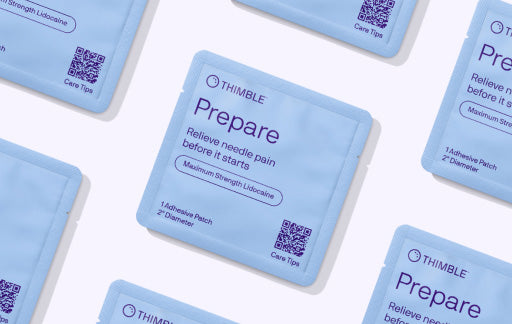
Applying a topical anesthetic before your appointment can significantly reduce the pain of IV placement. That's why I created Prepare, a 4% lidocaine patch designed to make pre-procedure numbing simple.
If you receive infusions regularly, this becomes even more important. When you're facing the same needle every few weeks or months, making each IV placement more comfortable can reduce the dread that often builds over time.
A practical tip for repeat infusions: pay attention to where your IV is usually placed, or ask your infusion nurse where they expect to place it. Over time, you'll learn which sites work best for you and can numb those areas before future visits.
For an emergency or unplanned IV, numbing ahead isn't usually possible. That's okay. Slow, controlled breathing, active distraction, and keeping the arm relaxed can still help make the experience more comfortable.
Why your hand or arm bruises or aches afterward
Once the IV is removed, it's common to notice a bruise or some tenderness at the site. Just like a blood draw, this happens because a small amount of blood leaks from the vein into the surrounding tissue. Bruises on the hand or wrist can look surprisingly dramatic because the skin is thin, but they usually fade within one to two weeks as your body gradually reabsorbs the trapped blood.
A larger bruise doesn't necessarily mean the IV was placed incorrectly. Bruising depends on many factors, including your veins, your medications, and how much bleeding occurs after the catheter is removed.
Mild soreness after the IV comes out is also common and typically improves within a day or two.
What helps after an IV?
Once the IV is removed, several simple measures can improve comfort and support the normal healing process.
-
Apply firm pressure immediately after the catheter is removed. This is the most effective way to reduce bruising.
-
During the first several hours, a cool compress may help reduce soreness and limit bruising.
-
After the first 24 hours, gentle warmth may help your body reabsorb the trapped blood.
-
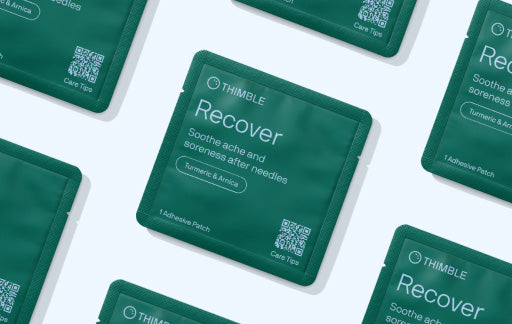
If tenderness develops, the Thimble Recover patch can be applied after the IV is removed while maintaining firm pressure over the site. It serves the same practical purpose as a standard adhesive bandage while supporting comfort as the area heals.
For people receiving frequent infusions, taking good care of the IV site each time may help keep commonly used veins more comfortable over the long term.
When should you tell your nurse or doctor?
Most IVs are placed and removed without any problems. However, certain symptoms should never be ignored.
Tell your nurse or doctor right away if you notice:
-
Pain, burning, stinging, or swelling while the IV is running. This may indicate that the fluid is not entering the vein properly.
-
Swelling, coolness, tightness, hardness, or leaking around the IV site.
-
Increasing redness, warmth, or pain after the IV has been removed.
-
A firm, painful swelling that continues to enlarge.
-
Numbness, tingling, weakness, or difficulty moving the hand or arm.
-
A bruise that continues to enlarge or is not improving after two weeks.
If you receive infusions regularly, you know your body and what's typical for you. If something feels different during an infusion, let your nurse know.
Recover is designed to support comfort after routine needle procedures. It is not a treatment for an IV complication, so if any of the symptoms above are present, it's important to tell your doctor or nurse promptly.
The short version
IV placement is usually a brief pinch, followed by little or no discomfort once the catheter is in place. Mild bruising and soreness afterward are common and generally resolve within one to two weeks. If your IV is planned, preparing the skin beforehand can make placement more comfortable. Afterward, firm pressure and simple comfort measures help support healing. During the infusion itself, however, pain, burning, or swelling should never be ignored and should be brought to your nurse's attention right away.
Manju Dawkins, MD is a board-certified dermatologist, mom of two, and the co-founder of Thimble. She created the Thimble Needle Care System after experiencing her daughter's first shots.
FAQ
Does getting an IV hurt?
Most people describe IV placement as a brief, sharp pinch or sting, similar to a blood draw. The needle is then removed, leaving only a soft, flexible catheter inside the vein, so most of the discomfort is limited to the moment of placement. Numbing the site beforehand can reduce the sharpness of the poke.
Can I numb the area before an infusion or planned IV?
Yes. For a scheduled IV or infusion, applying topical numbing to the likely site about an hour beforehand can reduce the sharpness of IV placement. If you receive infusions regularly, numbing your usual site each time can make recurring treatments more comfortable. For emergency IVs, this usually isn't possible.
Is it normal for my hand or arm to bruise after an IV?
Yes. A small amount of blood can leak from the vein into the surrounding tissue, causing a bruise, especially on the thin skin of the hand or wrist. It usually fades within one to two weeks. Applying firm pressure immediately after the IV is removed helps reduce bruising. Even a large bruise does not necessarily mean anything went wrong during the IV placement.
Is it normal for an IV to hurt while it's in?
No. Once an IV is functioning properly, it should not cause ongoing pain. Pain, burning, stinging, or swelling while the IV is running may indicate that the fluid is not entering the vein properly and should be checked by your nurse right away.
How long should my arm hurt after an IV?
Mild soreness at the IV site usually improves within a day or two, while any bruising typically fades over one to two weeks. If tenderness develops after the IV is removed, simple comfort measures and a soothing patch such as Recover may help improve comfort while the area heals.